
Homes across Sarasota County and Manatee County face some of the highest hurricane exposure levels along Florida’s Gulf Coast. If you own a home along Florida’s Gulf Coast, the question is probably not whether you need storm protection. It is the option that makes the most sense for your home, your schedule, and your budget.
This guide walks through everything Sarasota and Bradenton homeowners need to know about impact windows in 2026: how they work, what they cost, how installation goes, and whether they are the right call for your property. It applies equally to homeowners in Venice, Lakewood Ranch, Parrish, Longboat Key, and Siesta Key.

Impact windows are hurricane-rated windows designed to withstand wind-borne debris during severe storms. They use laminated glass and reinforced frames that prevent the window from shattering and creating dangerous pressure changes inside the home. In Florida’s wind-borne debris regions, impact windows are one of the most common ways homeowners meet building code storm-protection requirements.
Impact windows look like standard windows from the outside, but the construction is completely different. Each unit uses laminated glass made from two or more layers bonded by a polyvinyl butyral (PVB) or ethylene-vinyl acetate (EVA) interlayer. The frames are reinforced to handle the racking forces that hurricane winds put on a structure. Every component works as a system.
Impact glass can crack. But when it does, the interlayer holds the broken pieces in place, and the window stays intact. That matters because once an opening fails during a hurricane, internal pressure can lift a roof off a house. A cracked but intact impact window keeps that pressure from ever building up.
Standard windows are not designed for hurricane-force debris and do not meet Florida’s wind-borne debris requirements for coastal areas. Impact windows meet those code requirements. They are also stronger against forced entry, which is a benefit that applies every day, not just during storm season.
Warm Gulf waters allow storms to maintain intensity right up to landfall. The geography of Tampa Bay and Charlotte Harbor creates storm surge conditions that can be severe even in a Category 2 or 3 event. Sarasota and Bradenton sit directly in that exposure zone, and storms that make landfall anywhere from the Keys to the Panhandle can push significant wind and debris into this area.
Most of Sarasota and Manatee Counties fall within Florida’s designated wind-borne debris regions. Any new window installation in these areas must meet impact or shutter protection requirements under the Florida Building Code. Replacing older windows with impact-rated units brings the home into compliance with current codes, which matters for permits, resale, and insurance.
Florida’s property insurance market is under pressure. Insurers that remain are scrutinizing risk closely, and impact windows are one of the upgrades that qualify a home for wind mitigation credits. A licensed wind mitigation inspector documents what protections are in place, and that report goes to your insurer as the basis for potential premium reductions. Homeowners with older, non-compliant windows are often overpaying.
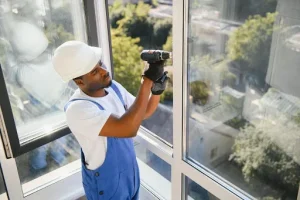
Impact windows in Florida cost more than standard replacement windows because they are engineered to withstand hurricane-force winds and flying debris. Pricing depends on the size of the opening, the wind rating of the glass, the frame material, and installation complexity. Homes in coastal areas like Sarasota and Bradenton often require higher wind-load ratings, which can affect the overall project cost.
There is no single number that applies to every home. But here is a realistic framework for thinking through the cost before you request a quote.
A single impact window ranges from a few hundred dollars for a small fixed unit to over a thousand dollars for a large picture window or specialty shape. Sliding glass doors and large openings cost more. The price reflects size, glass rating, frame material, and installation complexity.
A full replacement project depends on the number and size of openings, the home’s layout, and existing frame conditions. A smaller ranch home costs considerably less than a two-story property with large coastal-facing windows. An in-person assessment is the only way to get an accurate number for your home.
Several variables move the final cost up or down:
Both impact windows and hurricane shutters protect Florida homes from wind-borne debris during storms, but they serve different purposes and involve different levels of convenience. Impact windows provide permanent, always-active protection, while shutters are deployed only when a storm approaches.
Impact windows are popular with Sarasota and Bradenton homeowners who want year-round protection without the need to install panels or close shutters before every storm. They also improve security and energy efficiency throughout the year.
Hurricane shutters, on the other hand, have a lower upfront cost and remain a practical option for certain openings such as large lanais or patio areas where impact glass can be expensive.
If you are also comparing storm-rated windows with standard replacement windows, read our guide on impact windows vs regular windows for Florida homes, which explains the structural differences and code requirements.
Impact window installation in Florida involves more steps than a standard replacement project. Here is what to expect from start to finish.
A qualified installer visits the home, measures every opening, and assesses existing frame conditions. These measurements feed directly into product selection and engineering documentation.
Products must carry Florida-specific certifications and meet the wind-load ratings for your county and your home’s exposure category. Not every impact window is approved for every location.
Permits are required. A licensed contractor pulls the permit, submits engineering documentation, and manages the inspection schedule. Skipping permits creates serious legal and insurance problems at resale and during claims.
Old windows come out, openings are prepared, new frames are set, and sealed. A professional crew can complete a standard home in one to three days. The quality of the seal and fastening method is just as important as the product itself.
A building inspector verifies that the installation complies with the code. Once passed, the permit closes, and you have documentation supporting your wind mitigation report and insurance adjustments.
Yes. Impact windows and doors are among the hurricane-hardening upgrades that can qualify for funding through Florida’s My Safe Florida Home program, which helps homeowners reduce storm damage risk and offset the cost of protective improvements.
This is one of the most important things for Southwest Florida homeowners to know before paying for impact windows out of pocket. Florida’s My Safe Florida Home program offers financial assistance for hurricane protection upgrades, including impact-rated windows and doors. If you are not familiar with how the program works, who qualifies, and how the reimbursement process is structured, read our complete guide to the My Safe Florida Home grant for Florida homeowners before starting your project.
The My Safe Florida Home program provides grants for hurricane-hardening upgrades designed to strengthen homes against wind damage. Qualifying improvements include impact windows, impact doors, roof upgrades, and other structural protections recommended during a wind mitigation inspection. The goal of the program is to reduce hurricane-related property damage across the state while helping homeowners offset the cost of storm protection.
Homeowners begin with a free wind mitigation inspection that documents the home’s current protection level. Based on the inspection results, the program identifies recommended upgrades. The grant then reimburses a portion of qualifying improvement costs after the work is completed and inspected, with a homeowner match required for most applicants.
Eligibility generally requires homeowners to:
Funding is limited and historically oversubscribed, so applying early can be important. Homeowners should check current program availability through the Florida Department of Financial Services.
Homeowners in Sarasota, Bradenton, and surrounding Gulf Coast communities can begin the process through the My Safe Florida Home program portal. The first step is to schedule the free wind mitigation inspection, which identifies potential hurricane-protection upgrades. After the inspection, homeowners can submit their grant application and coordinate improvements with a licensed contractor who understands Florida permitting and program requirements.
Many homeowners upgrading their windows also choose to replace older patio or entry doors at the same time. If your home still has standard glass doors, explore our impact-rated door installation options to ensure every opening in the home is properly protected during hurricane season.
Sliding glass doors are among the most vulnerable openings in a Florida home. Large glass panels, complex track systems, and aging hardware make them failure points in a storm. Impact-rated sliding doors address all of those weaknesses using the same laminated glass technology as impact windows.
French doors flex under wind pressure in ways a standard door cannot handle. Impact-rated versions use reinforced frames, multi-point locking systems, and impact glass to withstand storm forces. If your home has French doors in a wind-exposed location, replacing them alongside windows makes sense.
Garage doors are the largest opening in most homes and a known point of failure in hurricanes. They fall under separate code requirements and can be addressed with bracing systems or wind-rated replacement doors. This should be part of any comprehensive storm-hardening project.
Any contractor installing windows in Florida must hold a valid state license. Verify active license status through the Florida Department of Business and Professional Regulation and confirm the company carries both general liability and workers’ compensation insurance. These are the baselines.
Coastal Florida installations have specific challenges: salt air effects on certain frame materials, non-standard openings in older homes, and county-specific permitting requirements. A contractor with years of local experience in Sarasota and Bradenton has handled the full range of conditions. Mr. Build has been serving Southwest Florida homeowners since 1976, bringing nearly five decades of local installation experience to every project.
Ask what the product warranty covers, how long it lasts, and how claims are handled. A contractor who installs low-cost products and disappears afterward is not a good value at any price.
A legitimate contractor pulls permits, manages inspections, and does not ask the homeowner to handle that process. If someone suggests skipping permits to save time or money, walk away.
After a storm, check each window and door carefully. Look for:
A window that took a hard hit may look intact but has compromised seal integrity, making it less protective going forward.
If you see cracked glass, frame movement, or water getting through, call a licensed window professional before the next storm season. Cracked laminated glass has done its job, but it needs to be replaced. A damaged frame may have lost the structural integrity required to make the installation code-compliant.
Photograph everything before any cleanup or repairs. Insurance claims require documentation of damage as it appeared post-storm. Keep your original installation documentation, including permits and inspection records, in a file you can access quickly. That paperwork supports your claim.
For many coastal homeowners, the answer comes down to balancing storm protection, insurance benefits, and long-term property value. If you want a deeper look at how hurricane impact windows perform in coastal environments, read our complete guide to hurricane impact windows for coastal Florida homes.
Impact windows protect the home during a hurricane without any homeowner action required. That passive protection is genuinely valuable, especially for those who travel or have physical limitations. The same laminated glass that resists hurricane debris also resists forced entry, making the home more secure year-round.
Wind mitigation credits from Florida insurers can be substantial. The actual discount depends on your policy, insurer, and the full scope of your home’s storm protection features. Ask your insurance agent for a quote showing the specific credit for your property before making a final decision.
Impact windows reduce solar heat gain and block UV rays more effectively than standard glass. In Florida’s climate, that reduces the load on your air conditioning system. West-facing rooms that get direct afternoon sun typically see the most noticeable improvement.
Impact windows are a recognized upgrade in the Florida real estate market. Buyers looking at coastal properties understand the value of a home already protected to the current code. It removes a negotiation point and can support a stronger asking price when it comes time to sell.
If you own a home in Sarasota, Bradenton, or anywhere along Florida’s Gulf Coast and are still relying on standard windows for storm protection, the case for upgrading has only gotten stronger. The insurance market is tightening. Building codes are enforced more consistently than they were a decade ago. And storms that form in the Gulf do not get smaller with time.
Impact windows are not the only option, but they are one of the most practical. Passive protection, energy efficiency, daily security, and insurance benefits add up over time. For most Gulf Coast homeowners, the long-term value outweighs the upfront cost.