
Most people think hurricanes destroy homes through sheer wind force. The reality? Wind rarely causes the worst damage. What really turns a storm into a disaster is flying debris punching through windows.
When a window breaks during a hurricane, wind pressure rushes inside, creating an internal force that pushes up on the roof while the storm pulls from above. What began as one broken window turns into structural failure, water intrusion, and massive repair needs.
What Becomes Flying Debris During Hurricanes
Hurricane debris consists of specific objects that become projectiles when loose or poorly secured in neighborhoods. Common sources include:
Even small objects become dangerous at hurricane wind speeds. A lightweight aluminum chair weighs nothing in your hands but gains destructive force when propelled by 100+ mph winds. Most debris originates within a few blocks, meaning homeowners face projectiles from neighbors who didn’t prepare.
When wind speed doubles, the force increases four times. At 100 mph, wind generates 100 pounds of pressure per square foot. This exponential relationship means Category 3 hurricane winds create completely different levels of destructive energy than tropical storms.
A 2×4 piece of lumber can reach speeds over 100 mph when caught in hurricane winds. At that velocity, the board penetrates standard glass like a spear, often taking out the entire window frame.
Glass represents the weakest point in any structure. While walls handle distributed wind pressure across large surface areas, glass concentrates impact force at a single point. A piece of metal flashing weighing less than a pound strikes a window with thousands of pounds of force per square inch. Glass shatters under this concentrated load.
The structural vulnerability of windows comes down to basic material science. Glass cannot match the impact resistance of concrete, wood framing, or masonry walls. The difference between impact and regular windows becomes critical during severe storms.
Standard single-pane glass breaks from debris impact at relatively low force levels. Double-pane windows offer better performance, but only about 30% more resistance. Hurricane projectiles carry 300% to 400% more force than what breaks single-pane glass.
Once a window breaks, the damage multiplies rapidly:
Insurance adjusters see this pattern repeatedly. Claims that start with window damage balloon to include roof repair, interior water damage, furniture replacement, and temporary housing.
Internal pressurization happens when wind rushes into a house through a broken window at 100+ mph. This incoming air has nowhere to go because the rest of the structure remains sealed. Pressure builds rapidly inside the walls, pushing outward on every surface.
Roof systems face the greatest risk. They’re engineered for external wind pressure, not internal pressure pushing up while external pressure pulls up simultaneously. This combination doubles or triples the lifting force.
Homeowners who attempt to board windows after impact discover the futility. Once wind enters, boarding the opening does nothing to stop the internal pressure already built up. Prevention before the storm remains the only effective strategy.
Hurricane shutters create a physical barrier between projectiles and glass, absorbing and redirecting impact energy that would otherwise shatter windows.
When debris strikes a shutter, impact energy transfers through the material into the surrounding frame and mounting system. Quality shutters distribute force over a wider area, so no single point is subjected to enough stress to fail.
Metal shutters deflect lighter debris while absorbing heavier impacts. A tree branch hitting an aluminum or steel shutter dents the surface but doesn’t penetrate. The window behind remains untouched because the shutter took the hit.
The protection extends beyond just the glass. Shutters shield window frames from damage, protect surrounding walls, and prevent seal failures that can cause water infiltration.
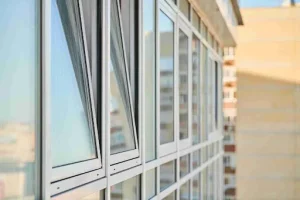
Impact-resistant glass can crack under severe debris strikes while still maintaining its protective function. The laminated construction sandwiches a polymer layer between glass panes. When a projectile hits, the outer glass may shatter, but the plastic layer holds fragments in place, preventing the opening from being breached.
Hurricane shutters for windows outperform impact glass in extreme debris scenarios. A large projectile traveling at 120 mph can penetrate even impact-rated glass. The same projectile striking a metal shutter dents the surface but doesn’t break through.
Many Florida residents use both systems together. Impact windows serve as permanent defense, eliminating the need to deploy shutters for weaker storms. When a major hurricane approaches, they shut shutters over impact windows for maximum protection.
Mr. Build helps homeowners evaluate both options based on their specific circumstances, storm history in their area, and budget constraints. The right choice varies by situation, but having no protection when a hurricane warning goes out is always the wrong choice.
Florida’s building codes simulate real debris impacts that occur during storms:
Insurance companies care deeply about code compliance. Many policies offer discounts for approved hurricane protection. After a hurricane, claims can be denied if protection systems weren’t properly installed according to manufacturer specifications and code requirements.
Professional installation matters because code compliance depends on proper mounting. Permits and inspections verify that work meets standards, providing legal protection and insurance documentation homeowners need.
Misconceptions about hurricane protection lead homeowners to make poor decisions:
“My windows are new, so they’re safe.”
Standard replacement windows, even modern double-pane units, offer minimal debris resistance. Unless specifically labeled as impact-resistant, windows will shatter when struck by hurricane projectiles. Age doesn’t matter.
“Taping windows helps.”
Masking tape or duct tape does not strengthen glass. It might reduce some secondary damage by holding glass shards together after a window breaks, but it does nothing to prevent the initial breakage.
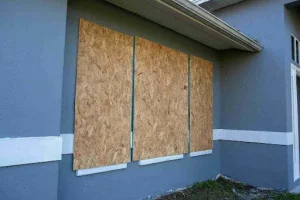
“Plywood is just as good as shutters”
Plywood can stop some debris when properly installed, but it lacks the strength and rigidity of metal shutters. Large projectiles punch through it. Sustained wind pressure bows it inward.
“Shutters are only for coastal homes.”
Homes 20 miles inland face flying roof materials, tree limbs, and construction debris just like coastal properties. Every home in Florida’s hurricane zones benefits from proper window protection
Hurricane damage follows a predictable pattern. Flying debris breaks a window. Wind enters the structure. Internal pressure builds. The roof fails. Water pours in.
This entire chain reaction stops if the first window never breaks. Proper hurricane shutters prevent debris from breaching the building envelope. Without that initial breach, internal pressurization never occurs. The roof stays attached. The interior stays dry.
Proactive protection always costs less than storm repairs. Hurricane shutters represent an investment that pays for itself by preventing the cascading failures that turn storms into financial disasters. Explore more hurricane-resistant home upgrades to strengthen your property.
Every Florida homeowner should evaluate their window vulnerability before hurricane season arrives. Walk around the property and identify which openings face the greatest risk. Consider which windows would cause the most damage if broken. Prioritize protection for those openings if the budget requires a phased approach.