
Florida living means sunshine, water views, and making the most of natural light. When homeowners consider window upgrades, picture windowsoften come up as an option worth exploring. They’re popular for good reason, but they’re not the right fit for every situation.
Here’s what you need to know about picture windows, how they perform in Florida’s climate, and whether they are a good fit for your home.
A picture window is a large, fixed pane of glass designed to frame a view. Unlike double-hung, casement, or sliding windows, picture windows don’t open. They stay in place, sealed tight against the elements.
That fixed design has real advantages. Without hinges, locks, or sliding tracks, there are fewer places for air and water to sneak through. The seal stays consistent, which matters when dealing with Florida humidity and afternoon thunderstorms.
Common locations for picture windows:
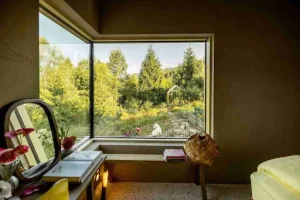
Florida’s climate puts windows through their paces. Intense sun, salt air, and hurricane season demand products that can handle the pressure. Picture windows do well here when installed correctly.
Because there are no moving parts, picture windows stay tight over time. That means less air leakage and better energy performance compared to older operable windows that may have warped or loosened. The large glass area lets in natural light, reducing the need for artificial lighting during the day.
Modern picture windows come with options like double-pane glass, low-E coatings to block heat, and impact-rated glass for storm protection. These features make them practical, not just attractive.
Picture windows work best when you already have good airflow from other windows in the room. Since they don’t open, you’ll want operable windows nearby to keep air moving when needed.
Ideal situations for picture windows:
That fixed seal means less heat transfer, which can make a difference in cooling bills. Rooms stay quieter too, since there’s no gap for outside noise to filter through.
Picture windows don’t provide ventilation. In a room where you want to catch a breeze or vent cooking odors, you’ll need another window type to do that job. Picture windows pair well with casement or sliding windows on adjacent walls, giving you both the view and the airflow.
Larger picture windows can require structural changes, especially if you’re replacing a smaller window or adding one where there wasn’t a window before. A qualified installer can walk you through what’s involved and whether your home’s framing can support the size you’re considering.
Older picture windows can lose their edge over time. Here are signs it might be time to replace:
Mr. Buildwalks homeowners through a thorough evaluation before recommending replacement. The process starts with measurements and an assessment of the existing frame, moves through removal and prep work, and finishes with a professional installation that’s sealed properly and inspected for code compliance.
Several factors influence the investment in picture windows:
Impact-rated glass provides hurricane protection and may reduce insurance premiums. Vinyl framesrequire less maintenance than wood or aluminum. A straightforward replacement where the new window fits the existing opening involves less work than a project requiring framing changes.
The long-term value comes from lower energy bills, less maintenance, and the boost they give to your home’s appearance and comfort.
When it comes to frame material for picture windows, vinyl performs exceptionally well in Florida’s environment. It doesn’t rot, warp, or corrode the way wood and aluminum can. Coastal salt air doesn’t damage it. High humidity doesn’t cause it to swell or deteriorate.
Vinyl frames provide good insulation, helping keep heat out during summer. They require almost no maintenance beyond occasional cleaning. No painting, no sealing, no worrying about rust or termites.
For most Florida homeowners, vinyl replacement picture windows hit the sweet spot between performance, durability, and value.
Modern picture windows can be outfitted with features that make them even more effective in Florida’s climate:
For storm protection, impact-rated picture windows meet Florida Building Code requirements for wind resistance. The laminated glass protects your home from wind-driven rain and flying debris during hurricanes.

Picture windows bring more light, better views, and improved energy performance to Florida homes. They work best when paired with operable windows in the same room and when you’re willing to trade ventilation for visual impact.
For living rooms, dining areas, and entryways where you want to showcase a view or brighten a space, picture windows deliver. Modern vinyl replacement picture windows hold up well in Florida’s heat, humidity, and storm conditions while requiring minimal upkeep.
If you’re dealing with old, inefficient windows or you want to transform a dark room into a bright, welcoming space, picture windows might be exactly what you’re looking for.