
Hurricane shutters get marketed as essential protection, but homeowners still question the real value. Do they actually reduce storm risk? Will insurance premiums drop? What happens after installation?
This guide answers those questions directly. We’ll cover whether hurricane shutters justify the investment, how the installation process works from start to finish, and what maintenance is required to keep them performing when the next storm arrives.
Hurricane shutters are engineered barriers made from impact-resistant materials like aluminum, steel, or reinforced polycarbonate. They protect windows and glass doors from wind pressure and flying debris during tropical storms and hurricanes.
These systems do more than block debris. They prevent sudden pressure changes that can tear roofs away from walls. When windows break during a hurricane, wind creates positive pressure inside the home while pulling at the roof from outside. This combination causes catastrophic structural damage.
Coastal Florida building codes often require hurricane protection on newer construction. Properties in high wind zones must meet specific performance standards. Even when not mandated, shutters provide insurance discounts and increase resale value.
Wind creates pressure differentials that stress every structural connection. Hurricane-force winds generate positive pressure on exterior walls and negative pressure on roofs and leeward sides.
A broken window allows wind inside, dramatically increasing internal pressure. The roof is now subject to uplift from both inside and outside simultaneously. This “balloon effect” separates roof trusses from walls and can lift entire roof structures.
During hurricanes, building materials, landscape features, and outdoor furniture become flying debris. Testing protocols measure two impact categories:
Glass often shatters before winds reach peak intensity. Early window failure exposes the interior to the full force of the storm, multiplying potential damage.
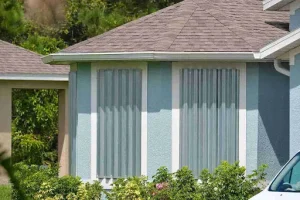
Quality shutters absorb and deflect debris strikes that would shatter unprotected glass. The materials distribute impact energy across a larger surface rather than concentrating force at a single point.
Testing standards specify projectile sizes and speeds that shutters must withstand. Products undergo repeated impacts to verify they maintain protection throughout a storm’s duration.
Shutters maintain a sealed barrier that prevents sudden pressure changes inside the home. The building envelope stays intact, keeping internal pressure stable even as external pressure fluctuates. This protects roof attachments and wall connections from cyclic stress.
Wind-driven rain during hurricanes travels horizontally at high velocity. Shutters create an additional barrier, reducing the volume of water reaching window seals and frames. Limiting exposure prevents saturation, which can lead to interior flooding and secondary damage.
Not all hurricane shutters work the same way, and the best option depends on how you balance protection, convenience, appearance, and budget.
From permanently mounted systems that deploy in seconds to removable panels designed for maximum affordability, each shutter type offers distinct advantages and tradeoffs.
Understanding how these options perform in real storm conditions helps homeowners choose a system that fits their property and preparedness needs.
Accordion shutters fold against the wall when not in use and unfold across openings when storms approach. They mount on permanent tracks, so deployment involves sliding the panels together and locking them in the center.
Best for:Homeowners wanting quick deployment without heavy panel storage
Pros:
Cons:
Roll-down shutters retract into a housing box above windows when not needed. Manual versions use a hand crank, while motorized systems operate with switches or remote controls.
Best for:Homeowners prioritizing convenience and push-button deployment
Pros:
Cons:
For homeowners weighing convenience, appearance, and deployment speed, see this comparison guide: roll-down vs accordion shutter comparison
Colonial shutters flank windows as decorative elements when open. The hinged panels swing closed and latch at the center when storms approach.
Best for:Traditional homes where aesthetic appeal matters
Key features:Enhance curb appeal, no storage needed, simple deployment without tools
Bahama shutters mount above windows and angle outward to provide shade during normal conditions. They prop open at various angles or close completely against windows during storms.
Best for:Homeowners wanting both storm protection and year-round energy savings
Key features:Reduce cooling costs by blocking sunlight, always ready for deployment, and tropical aesthetic appeal
Homeowners deciding between traditional and tropical shutter styles can review a visual and functional comparison here: colonial vs bahama shutter differences.
Storm panels are removable barriers that attach to mounting tracks around each opening. When not in use, panels are stored in garages or sheds.
Best for:Budget-conscious homeowners with adequate storage space
Pros:
Cons:
For a cost, effort, and durability comparison between temporary and built-in protection, see storm panels vs permanent shutter differences.
Impact windowsuse laminated glass that holds together even when shattered. A polymer interlayer keeps fragments attached when the outer surface breaks, providing permanent protection without deployment.
Protection Comparison:
Additional Benefits:
Many homeowners combine systems. Impact windows on ground-floor openings paired with shutters on upper floors balance convenience with budget. Mr. Build helps homeowners evaluate which combination makes sense for their specific situation.
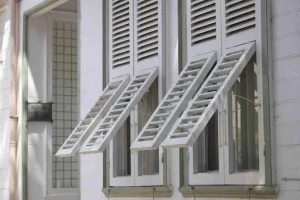
Hurricane shutters protect the most vulnerable parts of a home: windows, doors, and large openings. Once a window breaks during a storm, internal pressure can lift roof decking and compromise structural integrity. Properly installed shutters significantly reduce this chain reaction.
Key Risk Reductions:
Many insurance providers recognize hurricane shutters as a meaningful risk-reduction feature when they are properly installed and certified. From an underwriting perspective, shutters lower the likelihood of window failure, interior pressurization, and the cascading structural damage that drives the largest hurricane claims.
Insurers typically evaluate hurricane shutters based on whether the system meets regional code requirements, is professionally installed, and can be verified during wind mitigation or renewal inspections. In coastal counties where storm losses are common, these factors influence both pricing and long-term insurability.
Homeowners may see reduced windstorm premiums, eligibility for mitigation credits, or improved renewal outcomes as insurers tighten underwriting standards. In some cases, savings appear as direct discounts; in others, shutters simply help prevent coverage limitations or non-renewals.
The key takeaway is that insurance savings come from demonstrated risk reduction, not from shutters alone. Homeowners should always confirm how their specific carrier evaluates certified hurricane protection before installation.
The return on investment for hurricane shutters goes beyond short-term insurance adjustments. Shutters create value by preventing losses that are expensive, disruptive, and often only partially covered after a major storm.
Avoided damage is the most significant driver of ROI. Once a window fails, water intrusion, roof uplift, interior repairs, and mold remediation can quickly exceed the cost of shutter installation. Preventing a single severe loss often offsets the entire system investment.
Shutters also contribute to long-term insurance stability. Even when annual premium reductions are modest, protected homes are less likely to face underwriting issues, forced upgrades, or policy disruptions following inspections.
In storm-prone markets, resale appeal also plays a role. Buyers increasingly favor homes with documented hurricane protection, especially in coastal zones where preparedness affects financing and insurance availability.
For many homeowners, ROI is not measured strictly in dollars saved. It is measured in damage avoided, disruption prevented, and confidence during hurricane season.
Not all hurricane shutters are tested to the same standards. In Florida, Miami-Dade County approvals and design pressure ratings represent the highest level of validation for storm protection systems.
Miami-Dade approval indicates that a product has passed rigorous impact and pressure testing developed in response to real storm failures in South Florida. These protocols exceed baseline Florida Building Code requirements and are widely recognized by building officials, engineers, and insurance carriers throughout the state.
Design pressure ratings specify the maximum force a shutter system can withstand, including wind loads on the structure and suction loads. Required ratings vary based on opening size, building height, and wind exposure. Large windows and upper-floor openings typically require higher pressure ratings than smaller, ground-level openings.
A shutter may be impact-rated but still fail inspection if its pressure rating does not match the specific opening it protects. This mismatch is a common cause of permit delays, failed inspections, and denied insurance credits.
For this reason, professional installers verify Miami-Dade approvals and design pressure requirements before installation. Proper documentation and correct system selection ensure the shutters pass inspection, support insurance eligibility, and perform reliably under real hurricane conditions.
A professional installer evaluates your property to determine the appropriate shutter system and ensure code compliance.
Evaluation includes:
Based on the evaluation, homeowners choose between systems such as accordion shutters, roll-down shutters, storm panels, or colonial and Bahama shutters. Each system is engineered for specific wind loads and opening sizes.
The installer provides product specifications, wind ratings, and certification documentation showing the shutters meet local building codes and insurance requirements.
Most jurisdictions require permits for installing hurricane shutters. Professional installers handle the permitting process, submitting:
This ensures shutters meet local building and insurance standards, preventing coverage issues and failed inspections.
Installation timelines vary by system complexity:
Installers anchor shutters directly into structural framing, not just stucco or siding. Proper anchoring prevents system failure during high winds and ensures the shutters perform as designed.
The final step includes:
Professional installers ensure homeowners understand how to operate their shutters properly before storm warnings arrive.
Hurricane shutters are only as reliable as their condition when a storm approaches. Regular maintenance ensures shutters deploy smoothly, meet performance expectations, and continue providing protection year after year. A simple inspection and care routine, before and after storm season, can prevent mechanical failures and extend the lifespan of your shutter system.
Homeowners should inspect shutters at least once per year, preferably before hurricane season begins:
Proper cleaning extends shutter life and maintains smooth operation:
After a storm event, conduct a thorough inspection:
Call a licensed contractor if you notice:
Proper maintenance ensures shutters perform when you need them most. Annual inspections and basic care prevent failures during actual storm events.
Coastal Florida building codes mandate specific protection levels based on wind zone classifications. These zones correlate to expected wind speeds during design-level storms.
Product certification labels indicate which zones the shutters satisfy. Labels reference specific testing standards and show approved wind pressure ratings. Installing shutters without proper certification causes permit rejection and insurance coverage issues.
Professional installation through licensed contractors provides several advantages:
Beyond storm protection, shutters provide year-round advantages:
Myth: Plywood provides adequate protection
Reality:Modern codes require tested and certified systems. Plywood lacks impact resistance and frequently tears free during high winds.
Myth: Shutters make homes dark for extended periods
Reality:Shutters stay closed only during active storm periods, typically 24 to 48 hours. Natural light returns once the winds subside.
Myth: Only oceanfront homes need hurricane protection
Reality:Hurricanes maintain destructive winds dozens of miles inland. Properties 10 or 15 miles from the coast face similar threats during major storms.
Myth: All shutters offer the same protection
Reality:Testing certifications and wind ratings vary between products. Installation quality directly affects performance.
Home Layout and Window Size
Properties with numerous small windows often benefit from panel systems. Homes featuring large openings or floor-to-ceiling glass require permanent shutter systems. Multi-story homes face challenges on upper floors where access complicates installation.
Budget Considerations
Panel systems offer the lowest upfront investment. Permanent systems eliminate recurring installation labor. Insurance discounts and energy savings offset higher initial spending over time.
Ease of Deployment
Physical capability matters more than many homeowners initially consider. Elderly homeowners and those with physical limitations should prioritize motorized or easy-operation systems.
Aesthetic Preferences
Architectural style guides shutter selection. Traditional homes pair well with colonial shutters. Contemporary designs often incorporate roll-down systems. Check HOA restrictions before purchasing.
Local Storm Risk
Properties in high-risk zones justify premium protection systems. One major storm causes damage that exceeds the cost of proper protection.
For homeowners in hurricane-prone regions, hurricane shutters are worth the investment. They reduce storm risk, support insurance eligibility, and protect structural integrity. When professionally installed and properly maintained, they deliver long-term value far beyond their upfront investment.
Windows form the weakest points in a home’s storm defense. When they fail, damage cascades throughout the structure. Hurricane shutters provide tested, proven protection that maintains building integrity during severe weather.
Hurricane season arrives every year. Acting before warnings arrive enables thoughtful decision-making rather