
You’ve probably searched for James Hardie siding prices and found numbers all over the map. Some quotes seem reasonable. Others make you wonder if they miscalculated. Both might be accurate depending on what goes into your specific project.
Florida’s climate, building standards, and installation requirements create a different pricing structure than what you’d find elsewhere. Understanding what drives the cost helps you evaluate quotes intelligently and spot red flags before signing anything.
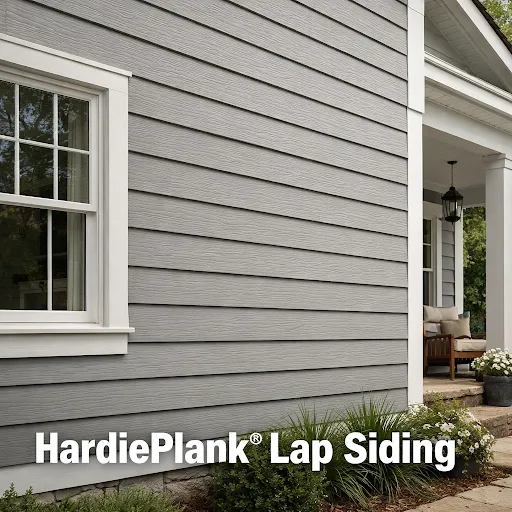
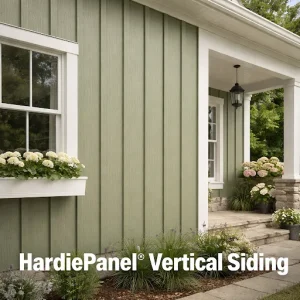
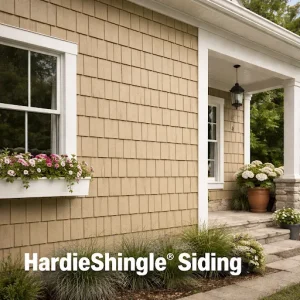
James Hardie offers multiple fiber cement siding profiles, each designed for different architectural styles and performance needs in Florida’s climate.
James Hardie fiber cement siding options include:
Plank thickness directly affects durability:
Finish selection influences maintenance and long-term value:
For homeowners comparing profiles, thickness, and finish options, professional guidance matters. Learn more about James Hardie fiber cement siding installation in Florida on Mr Build’s service page.
A simple ranch with clean lines needs far less material and labor than a two-story home with dormers, bay windows, and multiple rooflines. Every corner, angle, and architectural detail adds cutting time and careful fitting work.
Homes often feature covered porches, lanais, and outdoor living spaces that increase the amount of exposed wall surface. These areas still need proper siding installation even though they’re partially protected from direct weather.
High humidity affects how fiber cement siding must be installed. Proper spacing between planks accounts for expansion and contraction as moisture levels fluctuate throughout the year. Coastal properties are exposed to salt air, which corrodes fasteners and degrades materials over time, so installers near the Gulf need corrosion-resistant fasteners and specific attachment protocols.
The sun’s intensity in Southwest Florida breaks down paint and finishes faster than anywhere else in the continental United States. UV exposure dictates how siding must be sealed and finished to maintain its appearance and protective qualities. These climate considerations aren’t optional add-ons. They’re requirements for a lasting installation.
Hanging fiber-cement planks looks straightforward until you realize how many ways improper installation can fail. Fasteners must hit studs at specific intervals. Each plank needs correct clearance from windows, doors, and corners. Moisture barriers underneath the siding protect your wall structure from water intrusion.
Certified fiber cement installers understand these requirements. General contractors who occasionally work with siding might not. The difference shows up later when water finds its way behind poorly flashed trim or when planks crack because they were fastened incorrectly. A crew that installs James Hardie products regularly completes the work faster and with fewer mistakes than installers learning as they go.
Mr. Build’s teams have worked with fiber cement siding throughout demanding coastal conditions for nearly five decades. That experience translates to installation knowledge that prevents expensive callbacks and warranty issues.
Florida’s high wind zones require specific attachment methods that meet strict engineering standards. The fastener spacing on a home in Bradenton differs from what building codes allow in Atlanta or Denver. Wind-load requirements mean more fasteners per plank and reinforced attachment points around openings.
These regulations exist because hurricanes test every weak point in your home’s exterior. Siding that tears off during a storm creates projectiles that damage neighboring properties and leave your home exposed to wind-driven rain. Meeting code requirements adds time to the installation process, since inspectors verify that the work follows approved methods.
Experienced contractors build these requirements into their quotes from the start. Companies unfamiliar with Florida’s wind zone regulations might bid lower initially, then face delays when inspections reveal non-compliant work.
Removing old siding reveals the actual condition of your exterior walls. Wood siding often hides rot around windows and doors where water has penetrated over the years. Vinyl siding removal might expose damaged sheathing or missing house wrap. Older homes sometimes have structural issues that weren’t visible until the old cladding came off.
Termite damage, wood decay from moisture exposure, or outdated construction methods all require fixing before new siding goes up. These discoveries expand the project scope, but skipping necessary repairs only delays addressing them until the damage spreads and becomes more expensive to fix.
Primed James Hardie siding gives you the flexibility to choose any paint color, but you’ll need to paint it after installation. You’ll also need to repaint every decade or so, as Florida’s sun fades the color. ColorPlus Technology bakes the color into the finish during manufacturing. The factory-applied coating resists fading, chipping, and peeling far better than field-applied paint.
The upfront price difference between primed and ColorPlus siding seems significant until you calculate painting costs over the life of your home. Factor in scaffolding rental, surface prep, quality exterior paint, and labor, and the factory finish often delivers better value.
County and city building departments require permits for siding replacement in most Florida jurisdictions. The permitting process adds time to your project schedule. Homeowners’ associations review exterior changes before approving them, and some HOAs have specific color palettes or architectural guidelines that limit your options.
Contractors experienced in your area know which permits your project needs and build these timelines into their schedules. Companies new to the permitting process might underestimate how long approvals take, causing delays that push your project into busier seasons.
Low estimates often skip expensive steps that protect your investment:
These shortcuts don’t show up during installation. They reveal themselves when siding fails prematurely, water damages your walls, or hurricane winds tear planks from your home. Repairing these issues costs far more than proper installation from the start.
James Hardie siding costs in Florida reflect materials engineered to withstand extreme conditions, installation methods that meet stringent building codes, and labor from crews who understand how coastal weather affects fiber-cement performance. Your home faces challenges that homes in milder climates never encounter.
Hurricane winds, relentless humidity, salt air, and intense UV exposure demand higher standards than those set by national averages. Pricing that reflects these realities protects your investment and delivers the durability for which James Hardie products are known. Well-installed fiber cement siding lasts for generations with minimal maintenance. It resists fire, won’t rot or attract termites, and maintains its appearance through countless storm seasons.