
Florida’s intense climate demands siding that withstands hurricanes, humidity, and relentless UV exposure. James Hardie® fiber cement siding outperforms traditional materials in coastal conditions, but installation quality determines whether it delivers decades of protection or premature failure. This guide covers what homeowners need to know about proper installation, code requirements, and why choosing experienced contractors makes all the difference.
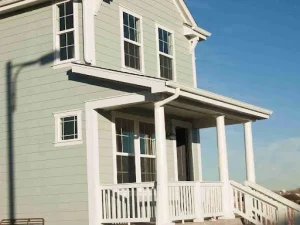
Florida’s weather creates unique challenges for exterior materials. Hurricane-force winds, constant moisture, salt air corrosion, and year-round UV bombardment destroy standard siding in ways homeowners in other states never experience.
Standard siding materials fail quickly in Florida:
The siding protecting a home determines whether it survives major storms, maintains energy efficiency, and holds its value over decades. Choosing materials engineered for extreme climates isn’t about aesthetics; it’s about structural integrity and protection, which is why many homeowners turn to James Hardie fiber cement siding installation in Florida.
Fiber cement siding consists of cement, sand, and cellulose fibers formed into planks that mimic wood grain, smooth finishes, or textured patterns. James Hardie developed proprietary formulations for different climate zones, including its HardieZone® technology, designed for high-moisture, high-heat environments.
The material cures through an autoclaving process that creates dimensional stability that other siding materials can’t match. Unlike wood-based products, fiber cement won’t swell from moisture absorption. Unlike vinyl, it won’t soften or deform in extreme heat.
Florida building codes exist because standard construction materials fail catastrophically in coastal storms. James Hardie fiber cement siding meets Florida Product Approval requirements and carries Miami-Dade County NOA certifications, the most rigorous storm performance standards in the country.
Key performance advantages:
These characteristics make James Hardie siding the preferred choice for coastal homes where weather resistance matters most.
Temperature fluctuations affect siding performance more than most installers acknowledge. Material expands and contracts with temperature changes, requiring specific gap spacing based on installation conditions.
Humidity levels during installation affect adhesive curing times and caulk performance. Installers who ignore moisture content specifications create failure points that manifest years later as water intrusion and paint delamination.
Wind load calculations determine proper fastening patterns and structural attachment requirements. Coastal zones require different installation specifications than inland areas. Using standard installation practices for high-wind zones creates problems that become obvious during the next major hurricane.
Proper water management starts behind the siding. Drainage planes, weather-resistant barriers, and flashing details determine whether moisture escapes the wall assembly or becomes trapped, where it causes rot and mold growth.
The Florida Building Code establishes minimum standards for wind resistance, water intrusion prevention, and structural attachment. These requirements vary based on wind speed zones, distance from the coastline, and building height.
High-velocity hurricane zones require:
Improper flashing details account for more water damage claims than any other installation error. Products must pass protocols for large missile impact, water intrusion under pressure, and cyclic wind pressure testing.
James Hardie provides multiple fiber cement siding styles built for storm conditions, allowing homeowners to choose the look and layout that fits their home without compromising durability.
HardiePlank® lap siding remains the most common choice for residential construction. The horizontal boards create traditional aesthetics while providing proven storm performance.
HardiePanel® vertical siding works well for contemporary designs and accent walls. The large-format panels reduce installation time while maintaining the same performance characteristics as lap siding.
HardieShingle® siding replicates cedar shake appearance without the maintenance requirements and fire risk of wood shingles. Coastal homes particularly benefit from the authentic look combined with superior weather resistance.
HardieTrim® boards provide finishing details around windows, doors, corners, and rakes. Using fiber cement trim instead of wood eliminates common rot points where water accumulates.
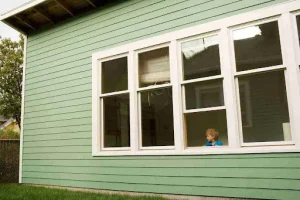
Proper installation begins with substrate preparation. Existing siding removal, wall inspection, and sheathing repair happen before new materials arrive. Skipping this step hides moisture damage and structural issues that worsen over time.
The installation process follows these steps:
Each piece of siding requires specific nail patterns, edge distances, and penetration depths. Over-driving or under-driving fasteners reduces wind resistance and creates future maintenance issues.
James Hardie provides warranties reflecting confidence in material longevity. Real-world performance in Florida conditions often exceeds warranty periods when installation quality meets manufacturer standards.
The material doesn’t degrade from UV exposure the way vinyl and painted wood do. Color retention remains stable for decades rather than requiring frequent repainting.
Hurricane damage to properly installed fiber cement siding typically involves impact from flying debris rather than material failure. The same storms that destroy vinyl siding and tear off wood planks leave fiber cement intact.
Maintenance requirements remain minimal. Periodic cleaning removes dirt and mildew. Occasional caulk inspection and touch-up prevent water intrusion. No rot repair, no termite treatment, no warped board replacement.
Several factors determine total project investment. Understanding what affects James Hardie siding prices helps homeowners compare estimates accurately and avoid surprises during installation.
Cost factors include:
ColorPlus® factory finish adds upfront investment while eliminating field painting expenses. Experienced crews who understand Florida-specific requirements command appropriate compensation but deliver better results.
Installation errors compromise even the highest-quality materials. Homeowners should verify that contractors avoid these common mistakes:
Water that enters wall cavities during storms creates mold growth and structural rot long before visible exterior damage appears. James Hardie provides detailed installation instructions for Florida conditions that contractors must follow to maintain warranty protection.
Vinyl siding is not durable in Florida’s climate. High winds tear vinyl panels from buildings. Intense heat causes warping and brittleness. Salt air degrades vinyl faster than manufacturers acknowledge. Impact resistance doesn’t compare to fiber cement performance.
Many homeowners are surprised to learn how quickly vinyl degrades, which is why comparing James Hardie and vinyl siding for homes matters before making a decision.
Wood siding requires constant maintenance. Moisture causes rot. Termites cause structural damage. Paint fails rapidly under UV exposure. Hurricane damage typically results in complete replacement rather than repair.
Stucco finishes provide good storm performance but crack from building settlement and thermal expansion. Repairs prove difficult to match. Moisture intrusion through cracks causes extensive hidden damage.
Metal siding offers durability but is prone to corrosion in coastal environments. Salt air attacks protective coatings. Dents from hail and impact prove difficult to repair. Heat gain through metal siding significantly increases cooling costs.
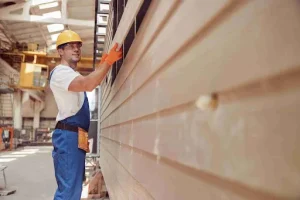
Homeowners weighing long-term durability, maintenance, and resale value often ask whether James Hardie is a good long-term choice for homes, especially when compared to vinyl or wood in harsh coastal conditions.
The return on investment includes factors beyond initial expense. Fiber cement siding adds measurable resale value. Homes with quality exterior materials sell faster and command higher prices than comparable properties with vinyl siding.
Insurance considerations matter. Some carriers offer premium reductions for impact-resistant exterior materials. Hurricane deductibles may decrease when homes meet higher wind resistance standards.
Energy efficiency improves with proper siding installation. Fiber cement’s thermal mass reduces heat transfer compared to vinyl or metal siding. Combined with proper insulation and air sealing, exterior upgrades reduce cooling expenses throughout the summer season.
Maintenance expenses over decades heavily favor fiber cement. Vinyl replacement after storm damage, wood repainting, and stucco repairs add up. Fiber cement’s minimal maintenance requirements save thousands over typical ownership periods.
Mr. Build has installed James Hardie siding across Southwest Florida for decades. The company’s experience with building codes, hurricane requirements, and coastal conditions ensures installations that protect homes through major storms while maintaining appearance and value.
The best siding material installed incorrectly fails faster than inferior materials installed properly. James Hardie fiber cement siding delivers outstanding performance, but installation quality determines whether it protects homes for decades or requires premature replacement.
Choosing experienced contractors who understand building codes, wind zone requirements, and coastal installation challenges separates successful projects from expensive failures.
Homeowners deserve siding that withstands hurricanes, resists moisture damage, and maintains appearance through years of intense sun exposure. James Hardie fiber cement meets these requirements when installed by contractors who respect the material’s specifications and understand why it demands higher standards.