
Every summer, homeowners along Florida’s Gulf Coast face the same reality: hurricane season isn’t a matter of if, but when. The real power lies in what happens before the first tropical depression forms. Preparation starts now, with a systematic walkthrough of your home’s defenses.
The difference between a home that weathers the storm and one that suffers significant damage often comes down to small details caught early. A compromised window seal. A loose soffit panel. Clogged gutters that turn rainfall into a foundation threat.

The envelope of your home takes the first hit during any storm. Windows and doors are both your most vulnerable points and your first line of defense.
Walk around your home with purpose. Look at every window and door, not just the ones you use daily. Check for:
For homes with impact-rated windows, verify the installation date and warranty documentation. If you’re unsure about your windows’ rating or condition, that’s a red flag worth addressing before June arrives.
The glass itself might be perfect, but if surrounding components fail, wind-driven rain will enter. Run your hand along the interior window frames. Soft spots suggest water damage that has been slowly progressing over time.
Weather stripping test: close a door on a dollar bill. If you can pull it out easily, the seal isn’t tight enough.
Flashing, those metal strips that direct water away from vulnerable joints, often gets overlooked. Corroded or missing flashing around windows and doors creates entry points for water that can bypass even the best glass.
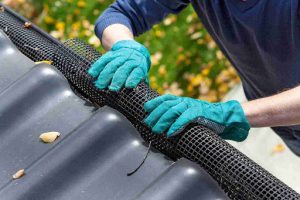
Water management during a hurricane isn’t just about the volume of rain. It’s about where that water goes and how quickly your home can shed it.
Gutters clogged with debris turn into dams during heavy rain. Water backs up, pools along the roofline, and seeps into your attic or down interior walls.
While cleaning gutters, look for:
A single compromised shingle can trigger a chain reaction, with surrounding shingles peeling away during high winds.
Downspouts that empty directly next to your foundation create problems even in normal rain. Extend downspouts at least five feet from the house. Check that the ground slopes away from your foundation on all sides.
Standing water near the house after a normal rainstorm tells you exactly where problems will multiply during severe weather.
Your home’s exterior protects everything inside, but it’s only effective when intact and properly secured.
Walk the perimeter, focusing on siding panels. Press gently on sections to see if any have come loose from their fasteners. A panel that rattles or moves needs to be resecured.
Every place something penetrates your exterior wall creates a potential weak point:
If you can see gaps or cracked caulking around these openings, they need to be replaced. Soffits and fascia boards are particularly vulnerable to wind damage because they face upward.
Companies like Mr. Build see the aftermath when homeowners skip these checks. What starts as a small maintenance item becomes a central repair claim.
Dead branches become projectiles in high winds. Trim branches that hang over your roof or come within six feet of your house. Trees that look healthy might have dead limbs that aren’t obvious from the ground. A certified arborist can spot these risks.

Once the exterior is secured, prepare for the reality of being without power, water, or access to stores.
Replace detector batteries now rather than hoping the chirp warning comes before a storm. If detectors are more than 10 years old, replace the entire unit.
Create a hurricane-safe plan for valuables and important documents. Photograph rooms and belongings for insurance purposes. Store these images in cloud storage so they’re accessible if devices are damaged.
The basics per person for seven days:
Think about specific needs: infants need formula and diapers, pets need food and carriers, and medical equipment needs backup power.
Evacuation plans should include multiple routes since some roads may flood or close. Identify where you’ll go and make sure everyone knows the plan.
Know who to call for professional help and establish relationships before you need emergency services.
If your inspection revealed windows that need replacing, doors that aren’t sealing properly, or compromised siding, don’t wait. Contractors get overwhelmed when a storm enters the Gulf.
Upgrades like impact-resistant windows or reinforced doors aren’t just storm prep. They lower insurance premiums, increase energy efficiency, and add year-round resale value.
Read your full homeowner’s insurance policy, including all exclusions and coverage limits. Many policies have separate deductibles for hurricane damage.
Photograph and video your home’s current condition, both inside and out. Document the state of your roof, windows, doors, siding, and interior rooms. Store all documentation somewhere other than your home.
Homeowners can use this printable checklist to prepare their home systematically for hurricane season.
Windows & Doors:
Frames, Seals & Flashing:
Roof & Gutters:
Drainage:
Siding & Penetrations:
Trees & Landscaping:
Safety Systems:
Valuables & Documentation:
Water & Food:
Medical & Personal:
Tools & Equipment:
Financial & Communication:
Routes & Destinations:
Vehicle Preparation:
Contractor Services:
Insurance & Records:
March – April:
May – June:
July – November (Peak Season):
Download or print this checklist and keep it accessible. Check off items as you complete them, and review annually before hurricane season begins.